How do you unlock greater impact for your Rotary Club’s service projects? The answer is both simple and bold: by making Rotary Club collaboration radically inclusive—welcoming nonmembers to play an active role. Stephanie Philips, 2025–2026 District Governor of Southern Connecticut’s Rotary District 7980, has seen firsthand how this model not only grows volunteer ranks but forges deeper, richer connections in every community touched by Rotary service.
In this expert-driven guide, Stephanie shares proven, replicable strategies to help club leaders, community organizers, and service champions like you build the strongest possible teams—by inviting the public to join you from day one. Her innovative approach, developed over years of local leadership and dozens of successful projects, will challenge everything you thought you knew about volunteer engagement and the impact of community outreach.
Stephanie Philips on Why Rotary Club Collaboration Must Embrace Non-Rotarian Volunteers First
Far too often, Rotary clubs fall into the pattern of relying solely on their own members to staff service events. According to Stephanie Philips, this well-meaning instinct unintentionally limits reach and impact. Stephanie’s unique vision—shaped by decades of community and leadership experience—turns that notion on its head: true rotary club collaboration means inviting the entire community into your mission.
Stephanie notes, “Many Rotarians believe that all their activities have to be supported by volunteers from the Rotary Club. That's not true. The most impactful projects have come by inviting the public to volunteer using social media, word-of-mouth, flyers, and any opportunity to engage people who don't know about Rotary, but want to do something to give back to their community. ” Her perspective is clear—when clubs reframe service as open, inclusive, and collaborative, dramatic new possibilities emerge.
“The most effective impactful projects have come by inviting the public to volunteer using social media, word-of-mouth, flyers, any opportunity to engage people that don't know about Rotary, but wanna do something to give back to their community.”
– Stephanie Philips, Rotary District 7980
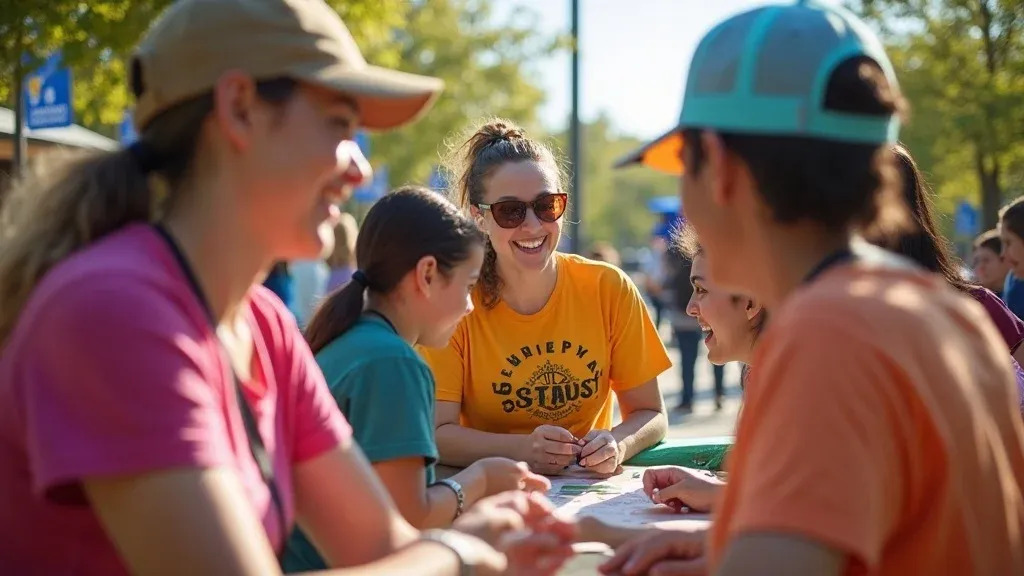
Winning Strategies for Rotary Club Collaboration: Public Outreach That Works
Leveraging Social Media and Community Channels to Invite Nonmembers
According to Stephanie Philips, the most effective rotary club collaboration strategies start with meeting people where they already are—online. Social media campaigns, local Facebook groups, event listings, and even Instagram stories empower clubs to reach fresh audiences daily. Stephanie underscores that “it’s important we look to [the public] first to try to engage them in these activities,” making every outreach channel count. With careful planning, inviting the public is not just a membership tactic; it’s the foundation of sustained community engagement.
Rotary District 7980 has embraced digital tools beyond traditional flyers and posters. Whether it’s a simple call for meal-packing volunteers on Nextdoor or splashy posts about a park clean-up on Instagram, every platform amplifies the club’s impact. As Stephanie has seen, digital outreach not only increases volunteer sign-ups for service projects but also introduces new faces to the Rotary’s mission. This approach transforms events into opportunities for neighbors to connect and creates a groundswell of involvement that benefits everyone—clubs, communities, and causes alike.
For clubs seeking actionable resources to streamline their outreach and volunteer coordination, the Rotary Resources page from District 7980 offers practical tools, templates, and guidance tailored to collaborative service efforts. Leveraging these materials can help clubs implement the strategies discussed here with greater efficiency and impact.

Real-world Success Stories from District 7980’s Community Service Initiatives
Stephanie’s leadership across a diverse array of projects—cleanup days, meal-packing events, and community reading campaigns—has reinforced one truth: when you ask the public for help, the response is overwhelming. She shares numerous examples of filling vital volunteer roles solely by posting calls for help, handing out flyers, and leveraging word-of-mouth. “Projects like cleanup efforts, meal packing, and reading activities thrive by welcoming the public—people come out in droves because they want to do something easy, impactful, and gratifying,” Stephanie affirms.
These real-world stories point to the Rotary Club collaboration’s exponential effect. By encouraging nonmembers to join in, Stephanie’s projects routinely achieve results that would be impossible with club manpower alone. The ripple effect is unmistakable—satisfied volunteers become enthusiastic ambassadors for Rotary, sharing their positive experience and drawing yet more support to future initiatives. District 7980’s best practices illustrate that every successful outreach is not just about logistics, but about building lasting community networks rooted in shared action.
“Projects like cleanup efforts, meal packing, and reading activities thrive by welcoming the public —people come out in droves because they want to do something easy, impactful, and gratifying.”
– Stephanie Philips, Rotary District 7980
- Top 3 Proven Volunteer Outreach Methods for Rotary Clubs: Host interactive social media campaigns, distribute eye-catching event flyers in local hotspots, and coordinate with other local volunteer organizations for joint sign-ups.
- Essential Communication Tools to Engage Non-Rotarians: Leverage email newsletters, community bulletin boards, and real-time event registration platforms to lower barriers and simplify volunteering.
- Best Practices for Coordinating Multi-Club Volunteer Campaigns: Appoint liaison teams, share volunteer pools and best practices, and celebrate collaborative results through district-wide recognition programs.
Planning Rotary Club Collaboration Events: Making Nonmember Engagement a Core Priority
Incorporating Public Sign-Up Plans into Every Service Project
Stephanie’s expert advice for Rotary leaders is practical: build public sign-up outreach into every single project plan from the outset. Having a “sign-up sheet, publicly available,” as she puts it, is more than a logistical detail—it's a statement that the club intends to work alongside the community, not just for it. Clubs that send invitations beyond their membership, distribute them through peer organizations, and embrace community-based tools position themselves for broader success and richer impact.
This approach is not accidental; it’s strategic. Stephanie emphasizes, “Make it a plan, the central part of your plan, to include non-Rotarians and to reach out to them. ” By weaving this intent into every stage of project planning, clubs unlock whole new pools of skills, ideas, and goodwill. The result is an expanded army of volunteers, infinitely scalable impact, and—for many clubs—the seeds of next year’s leadership team germinating right at the signup table.
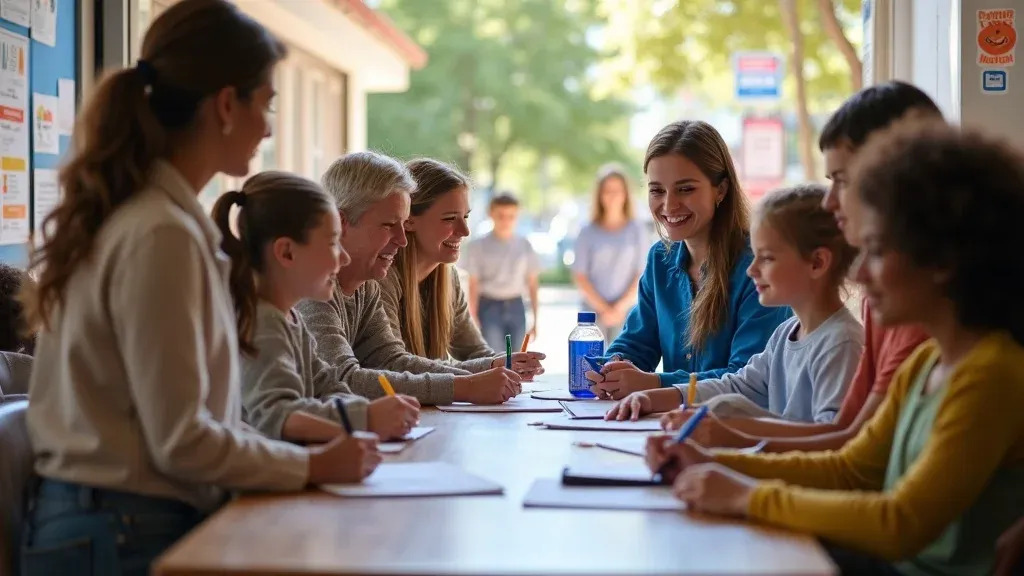
Mobilizing Media and Peer Networks to Recruit Volunteers
Stephanie’s experience proves the power of local media and interclub cooperation. “Engage your media to do a broadcast asking for volunteers,” she advises, acknowledging that television, radio, and even town newsletters can dramatically expand a club’s outreach. Just as importantly, leveraging sister clubs’ own contacts—sharing sign-up resources with other Rotary chapters—creates a rising tide that helps everyone succeed. The combined effect channels new energy into every project while strengthening the fabric of rotary club collaboration districtwide.
By trusting in networks—both personal and organizational—Stephanie has consistently helped projects move from good to great. Volunteers recruited through these channels often return as repeat contributors, sometimes even becoming club members. Stephanie’s intentional focus on multi-layered outreach reinforces a central message: inclusive, public-facing engagement should never be an afterthought. It is, instead, essential to the next generation of Rotary’s impact in Southern Connecticut and beyond.
“Always in your planning, include a plan to invite the public to sign up. Make it centrally part of your plan to include nonrotarians and reach out to them.”
– Stephanie Philips, Rotary District 7980
| Volunteer Outreach Method | Reach | Impact | Ease of Implementation |
| Social Media Campaigns | High | High | Moderate |
| Flyers & Word-of-Mouth | Medium | Medium | High |
| Public Event Sign-Ups | High | High | Moderate |
Elevating Rotary District 7980’s Impact: The Future of Collaborative Community Service
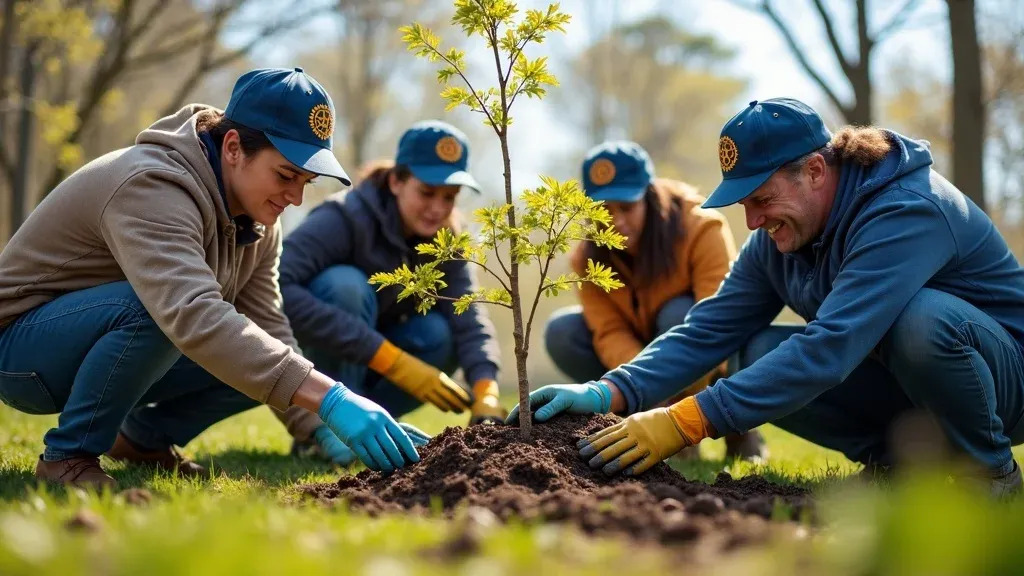
How Embracing Nonmembers Strengthens Rotary's Mission in Southern Connecticut
Stephanie Philips firmly believes that welcoming nonmembers is not just a tactic—it is central to the Rotary mission. This spirit of Rotary Club collaboration aligns with every pillar of Rotary, from promoting peace and education to fighting disease and hunger. According to Stephanie, clubs that prioritize open, public engagement demonstrate the very best of Rotarian values: service above self, authentic inclusion, and building bridges between diverse groups.
In her years serving on the frontlines of community need, Stephanie has watched clubs transform simply by opening their arms wider. New volunteers bring fresh ideas and vibrant energy. Some are future leaders, discovering their own drive for service. By acting as a gateway—not a gatekeeper—Rotary District 7980 under Stephanie’s leadership sets a standard for effective, sustainable community development that others across the nation strive to emulate.
Building a Sustained Network of Engagement Beyond Rotary Membership
As projects grow in scale and ambition, so does the web of connections that supports them. Stephanie’s approach to engagement means that every event can contribute to a self-renewing ecosystem of service-oriented leaders, supporters, and advocates—far beyond traditional membership lists. The long-term gains for District 7980 and individual clubs are profound: higher volunteer retention, stronger community visibility, and a robust, always-evolving pipeline of new ideas and future Rotarians.
Stephanie’s strategic framework teaches that every person engaged—whether for one Saturday or a full Rotary year—is a resource for building a better, stronger Southern Connecticut. Her message to leaders is clear: “Foster leadership opportunities for enthusiastic nonmembers. ” By giving these individuals the tools, encouragement, and spotlight to take ownership of success, clubs guarantee their own relevance for generations to come.

- Create an inclusive volunteer recruitment plan for each project
- Use multi-channel outreach to maximize public participation
- Track and celebrate the community impact generated by all volunteers
- Foster leadership opportunities for enthusiastic nonmembers
Summary: Unlocking Rotary Club Collaboration Potential through Inclusive Service Planning
Stephanie Philips’ vision for rotary club collaboration is as clear as it is ambitious: “Inviting the public to volunteer isn’t just about manpower; it’s about welcoming future Rotarians, expanding impact, and building enthusiasm around community service. ” In Southern Connecticut, this approach has led to greater project success, deeper connections, and expanded capacity for every club willing to open its circle.
For Rotary’s mission to thrive, inclusive engagement must become the rule, not the exception. By prioritizing public involvement at every stage—from outreach, to sign-up, to celebration—clubs seed a culture of sustainable impact and shared leadership. Stephanie’s advice is a blueprint for building more resilient, adaptive, and impactful service organizations—both today and for years ahead.
“Inviting the public to volunteer isn’t just about manpower; it’s about welcoming future Rotarians, expanding impact, and building enthusiasm around community service.”
– Stephanie Philips, Rotary District 7980
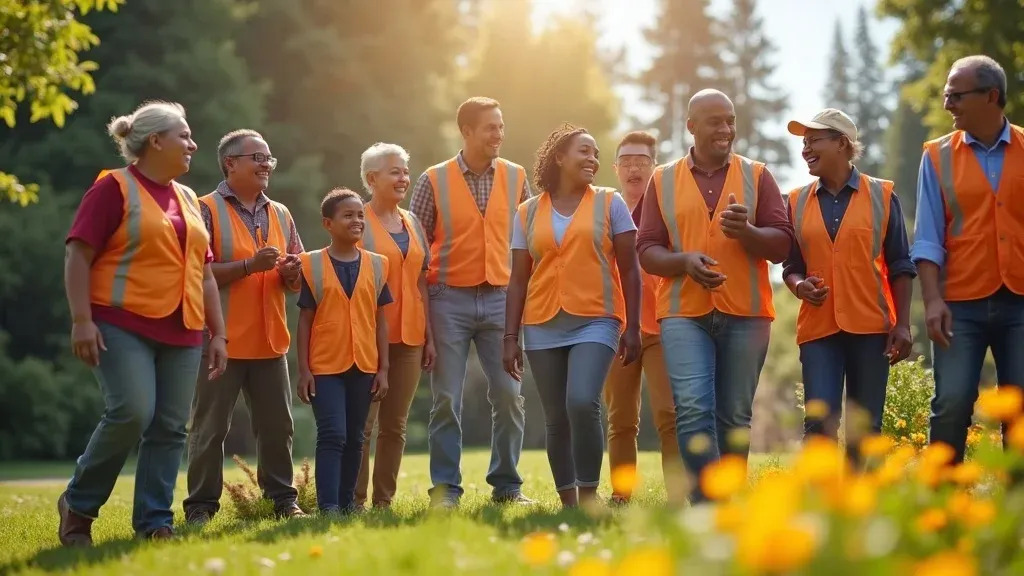
Next Steps: Join Rotary to Transform Your Community Service Experience
If you’re inspired to multiply your impact, it’s time to make rotary club collaboration your framework for growth. Reach out to your local Rotary club or District 7980 today, and take that next step—whether as a volunteer or aspiring member. Every new hand makes the work lighter, the results richer, and the community stronger.
Ready to help shape a better Southern Connecticut? Become a part of Rotary. Embrace the power of collaboration, and watch your service ripple across neighborhoods, towns, and generations.
To further elevate your club’s outreach and service effectiveness, consider exploring the comprehensive Rotary Resources available through District 7980. These resources are designed to support clubs at every stage of their journey, from planning inclusive events to fostering leadership among new volunteers. By tapping into these strategic tools and best practices, your club can unlock new levels of collaboration and community impact. Take the next step in your Rotary journey—discover how these resources can help you build a more connected, resilient, and service-driven organization.