Creating Lasting Change Series:
Designing Community Service Projects That Address Food Insecurity and Homelessness
Why Community Service Projects Must Address Food Insecurity and Homelessness Year-Round
The challenges of food insecurity and homelessness extend far beyond the holiday season—a truth too often overlooked in both public discourse and well-intentioned volunteer campaigns. According to Stephanie Philips, District Governor, Rotary District 7980, the tendency to view these issues as "seasonal" is not only a misconception, but actually limits the impact that community service projects can have on Southern Connecticut’s most vulnerable populations.
Stephanie brings a wealth of experience as an award-winning leader, project chair, and compassionate motivator who has inspired change both within and beyond Rotary. She’s seen firsthand how continuous, collaborative, and well-coordinated efforts can transform lives—proving that year-round engagement is the only way to preserve dignity and create real hope for individuals struggling with hunger or unstable housing.

"The biggest misconception is that homelessness and food insecurity are only seasonal problems—usually around the holidays. The truth is these challenges impact our communities every single day." — Stephanie Philips, Rotary District 7980
Understanding the Deep Impact: Who Food Insecurity and Homelessness Affect in Your Community
According to Stephanie Philips, the scope of food insecurity and homelessness is much broader than most Rotary Club leaders and volunteer coordinators might expect. This isn’t just an issue affecting distant strangers; it touches “our families, our seniors, and even those closest to us.” In her years of grassroots involvement, Stephanie has repeatedly encountered families with steady jobs still facing the impossible choice between paying for medication, electricity, or putting wholesome food on the table.
This reality means every Rotary community service project must be designed from a perspective rooted in inclusivity and compassion. “If we extend a hand to our neighbors in crisis, we strengthen our community as a whole,” Stephanie emphasizes. It’s not just about distributing food and resources—it’s about restoring dignity, preserving opportunity, and giving people the foundation they need to move forward with hope.
"More people than the average individual realize that homelessness affects our families, seniors, and even those closest to us. By helping our community, we’re strengthening it and preserving dignity." — Stephanie Philips, Rotary District 7980

Designing Effective Community Service Projects Around Food Insecurity: Insights from District 7980’s Leadership
Beyond Providing Food: How Nutrition and Professional Collaboration Drive Real Impact
It’s a common impulse to donate any available canned good or nonperishable item to a drive, but Stephanie Philips urges Rotary leaders to think beyond volume and focus on the true value of what’s being offered. According to her, not all donations are created equal: “It’s crucial to work with food pantry professionals to ensure we provide nutritious foods like meats and vegetables that meet real needs.” Sugary treats, highly processed foods, or misaligned donations may inadvertently do more harm than good, particularly for populations facing chronic illness, unstable housing, or limited cooking ability.
The key, Stephanie says, is to actively consult with local food banks, nutritionists, and outreach professionals before launching a community service project. This partnership ensures your efforts align with evolving community needs and elevate both food security and public health. Stephanie’s leadership in District 7980 has set a standard for data-driven, needs-based collaboration—a model that ensures every hour volunteered and every dollar donated translates into maximum positive impact.
For those looking to further enhance their project planning and execution, the Rotary Resources page offers practical tools and guidance to help clubs implement effective, needs-based service initiatives.
"Not all food donations are helpful—sugary foods don’t support health. It’s crucial to work with food pantry professionals to ensure we provide nutritious foods like meats and vegetables that meet real needs." — Stephanie Philips, Rotary District 7980

Real Stories from the Field: How Community Service Projects Sustain Working Individuals Facing Food Insecurity
Stephanie’s volunteer work has given her a unique window into the overlooked hardships of Connecticut’s working families. She recounts meeting people who, despite holding jobs, simply cannot cover all life’s essentials—from energy bills to medications to adequate groceries—on limited paychecks. For these individuals, targeted food assistance isn’t just about receiving calories; it’s about creating financial breathing room that allows them to redirect limited funds to other urgent needs, whether it’s medication or rent.
“Our work in local food pantries helps keep families together, keeps seniors in their homes, and gives people a chance to catch their breath,” Stephanie reflects. According to her, every community service project that prioritizes dignity—allowing individuals to choose foods that serve their health and preferences—restores hope and empowers recipients to prioritize their family’s well-being. It’s the difference between short-term relief and long-term stability.

Keys to Building Lasting, Impactful Community Service Projects in Southern Connecticut
- Engage with local food pantries and service professionals early to assess evolving community needs.
- Prioritize wholesome, nutritious food donations tailored to those most impacted.
- Create sustainable volunteer networks that support ongoing service rather than seasonal outreach only.
- Leverage Rotary District 7980’s regional support and best practices for coordinated, high-impact projects.

Why Rotary Club Leaders and Volunteer Coordinators Must Lead the Charge
With expert leadership from Stephanie Philips at Rotary District 7980, local clubs are uniquely positioned to maximize their social impact. Stephanie’s collaborative approach and commitment to continuous service ensure that every initiative gains from district-level knowledge sharing, resource coordination, and peer support. By setting clear expectations and providing actionable strategies, she empowers club presidents, volunteer coordinators, and nonprofit partners to move from piecemeal interventions to sustainable, year-round solutions.
Stephanie believes that Rotary’s legacy of leadership is most meaningful when it’s applied to contemporary challenges like food insecurity and homelessness. According to her, by stepping up as connectors and advocates, Rotary Club leaders have the power to shape a future where no family is left behind or overlooked. It’s a responsibility “we must embrace—not just for charity, but for the strength and resilience of our communities.”
Summary: Transforming Rotary Community Service Projects into Powerful Agents Against Hunger and Homelessness
Stephanie Philips reminds every club president and committee chair that true progress against food insecurity and homelessness comes from year-round, informed, and collaborative action. Designing community service projects with sustained focus, professional guidance, and heart not only meets immediate needs, but builds a more compassionate, capable, and connected Southern Connecticut.
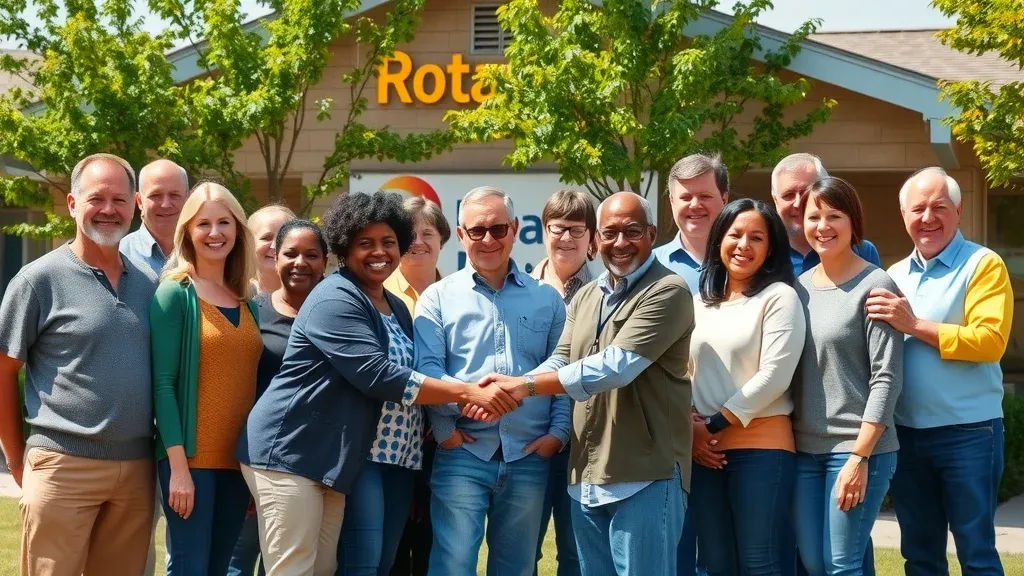
Take Action: Join Rotary District 7980 to Lead Impactful Community Service Projects Today
Ready to amplify your impact and strengthen your community’s future? Consider joining Rotary District 7980—where you’ll find unmatched resources, proven leadership, and a network of passionate professionals committed to service
For those inspired to take their service journey even further, exploring the Rotary Resources hub can unlock advanced strategies, leadership development opportunities, and a wealth of best practices. Whether you’re seeking to deepen your club’s impact or discover innovative approaches to community challenges, these resources offer the next step toward building resilient, thriving neighborhoods. Let your commitment to service evolve—discover new insights and elevate your Rotary experience today.
To deepen your understanding of effective community service projects, consider exploring the following resources:
- “6 Community Service Projects You Can Plan with Groundswell”: This article offers practical ideas for organizing impactful service initiatives, including tree planting and food bank volunteer days. It provides step-by-step guidance to help you plan and execute projects that resonate with your community’s needs. (groundswell.io)
- “10 Creative Community Service Ideas”: This resource presents innovative approaches to community service, such as supporting houseless neighbors through initiatives like “Walls of Love.” It emphasizes the importance of empathy and community engagement in addressing local challenges. (ioby.org)
If you’re committed to designing community service projects that effectively address food insecurity and homelessness, these resources will provide valuable insights and actionable strategies to enhance your efforts.