Imagine entire nations reclaiming their freedom and identity not through weapons or armed conflict, but through the collective power of song. The Baltic singing revolution legacy stands as a profound example of how music can unite, inspire, and empower oppressed peoples to achieve political and cultural liberation. This article explores the stirring story of Jurate Svedaite-Waller, who lived through the Baltic Singing Revolution, highlighting its compelling lessons for modern peace committees seeking effective, nonviolent means to foster community resilience and peace.
Introduction: The Power of Music in National Movements
Throughout history, music has often transcended ordinary communication, becoming a powerful tool for solidarity and resistance. The Baltic Singing Revolution between 1987 and 1991 epitomizes this idea, where Lithuania, Latvia, and Estonia used their rich musical traditions as peaceful weapons against Soviet oppression. These nations showcased how song could act as a form of civil defense and national assertion.
Beyond mere entertainment, the folk songs, mass choral festivals, and coded rock music embedded within Baltic culture carried profound messages of identity, memory, and hope. The baltic singing revolution legacy challenges us to reconsider the role of music and cultural expression in peace building and political transformation.
Overview of the Baltic Singing Revolution and Baltic Nations' Struggle
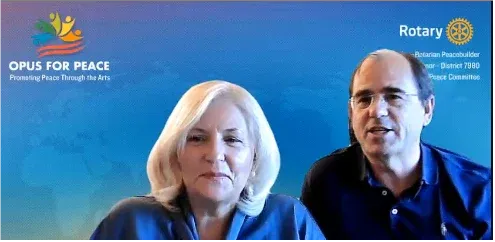
John Waller, of Rotary Southern Connecticut Rotary, explains, “The Baltic Singing Revolution was not a spontaneous cultural moment. It was a visible culmination of centuries of musical tradition, moral endurance, and collective memory.”
Historical Background of the Baltic States under Soviet Rule
The Baltic States—Lithuania, Latvia, and Estonia—have distinct histories marked by periods of sovereignty interrupted by foreign domination. Following brief independence after World War I, these countries were forcibly incorporated into the Soviet Union in 1940. Soviet control imposed strict political repression, russification, and curtailed free speech, aiming to eradicate national identities and cultural traditions.
Despite this harsh environment, the Baltic peoples preserved their distinct languages, customs, and especially their music. These musical traditions became a silent yet potent code of resistance, patiently maintained in classrooms, homes, and public festivals even under censorship and threat.
The Singing Revolution: Music as a Form of National Defense
Jurate Svedaite-Waller, a Baltic cultural expert, states, “The nation did not sing because they were free. They were free because they sang.”
Distinct Musical Traditions of Lithuania, Latvia, and Estonia
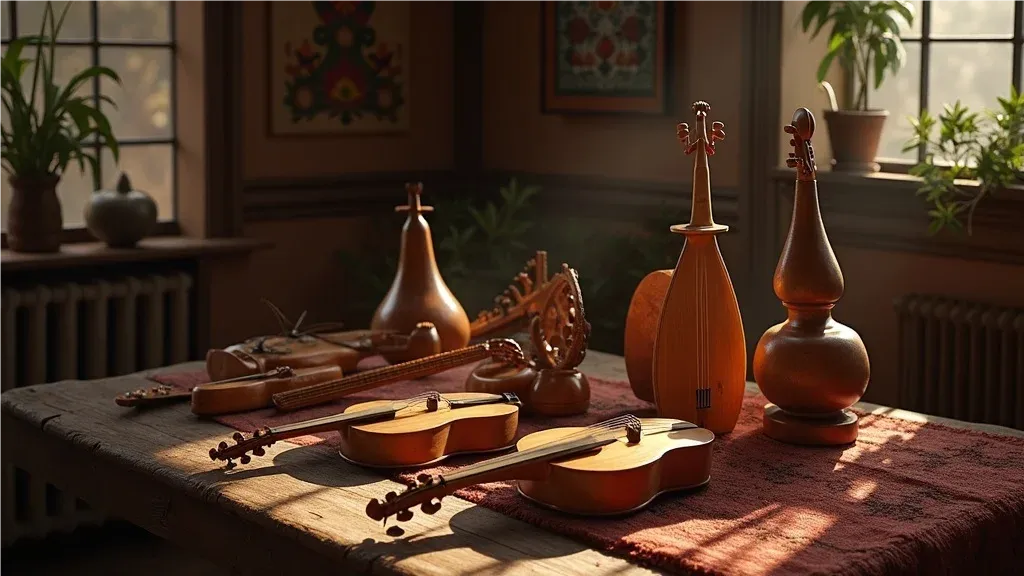
The Baltic singing revolution legacy is deeply rooted in the unique musical traditions of the three nations. Lithuania is known for complex polyphonic chants called Sutartines, Latvia for its dainas, and Estonia for regilaul, a chant-like repetitive style. Each tradition preserves historical narratives, ethnic identity, and social values.
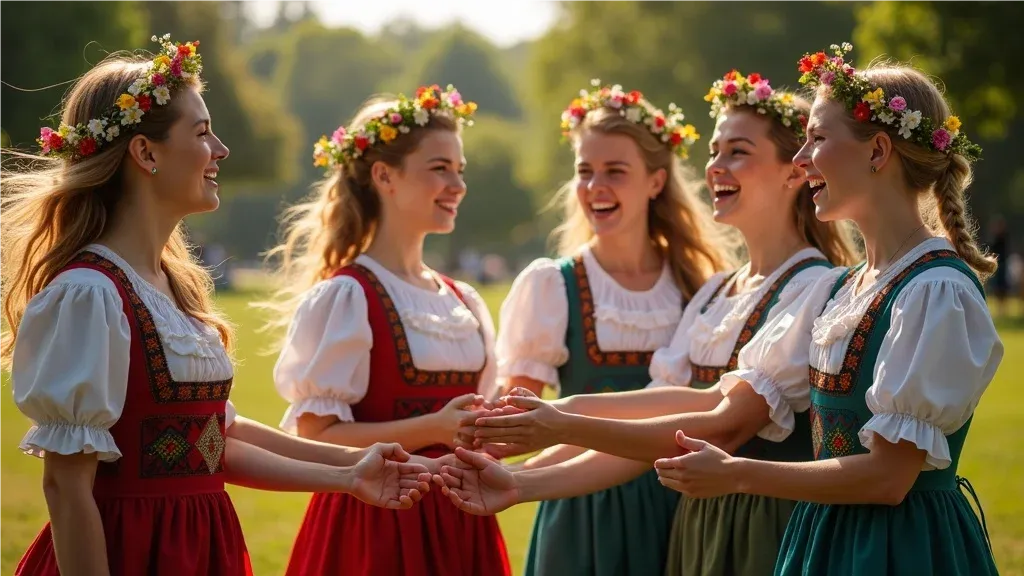
These musical forms were far more than cultural expressions—they were civic infrastructure. Song festivals brought together tens of thousands of participants in mass performances that fostered communal belonging and cultural pride. Through these events, music transformed from entertainment to an act of political defiance.
Challenges and Risks During the Singing Revolution
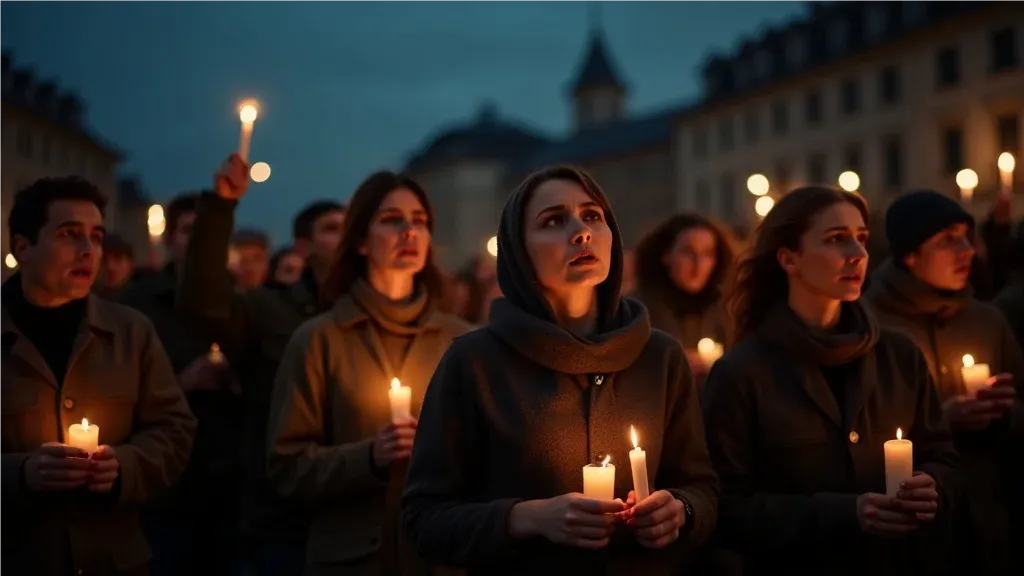
Jurate Svedaite-Waller recalls, “Soviet soldiers pointed guns at us, but the songs did not stop. Singing was the only form of collective strength left.”
The Singing Revolution was not without peril. Participants faced intimidation, raids, and violence from Soviet troops. Yet these risks reinforced the importance of music as a nonviolent weapon and tool for community resilience. In January 1991, during the Vilnius crackdown, unarmed civilians formed a human shield around critical buildings, singing traditional songs in the face of armed soldiers.
This courage birthed an enduring image of how collective will and cultural expression can resist and ultimately overcome authoritarian repression—highlighting the transformative power of united voices in defense of freedom.
Lessons from the Baltic Singing Revolution for Modern Peace Committees
- Harness collective cultural identity to build unity: The Singing Revolution shows how shared cultural heritage galvanizes peaceful resistance.
- Use nonviolent methods to express political will: Music became a powerful alternative to violent conflict.
- Preserve and promote indigenous languages and traditions: Language is central to identity and moral resilience in oppression.
- Leverage music as a tool for peaceful protest and awareness: Song festivals and performances rally communities and draw international attention.
- Recognize the importance of community resilience in face of repression: Sustained cultural persistence can weather threats and lay foundations for freedom.

Common Misconceptions about the Singing Revolution
Many perceive the Baltic Singing Revolution as a sudden uprising or merely symbolic music events. In reality, it was a long-term, multifaceted movement built on centuries of musical tradition, civic education, and strategic cultural resistance. Music was never neutral or merely decorative but served as a clandestine national language and political statement.
Others underestimate the risks participants faced or the sophistication of the movement’s nonviolent methods. The revolution was as much about preserving identity and educating youth through folk songs and allegory as it was about mass demonstrations.
Frequently Asked Questions
- What was the Baltic Singing Revolution?
A peaceful movement from 1987-1991 where Baltic nations used song and music as tools of national identity and political resistance to regain independence from Soviet rule. - How did music contribute to the independence movements?
Music served as a unifying cultural language, preserved suppressed histories, mobilized youth, and empowered collective nonviolent protest. - Were the Baltic languages mutually intelligible?
Lithuanian and Latvian share Baltic linguistic roots but are not fully mutually intelligible; Estonian belongs to a different language family altogether. - What risks did participants face during the revolution?
Participants confronted Soviet military intimidation, raids, arrests, and violence, notably during the January 1991 Vilnius crackdown. - How can modern peace committees apply these lessons?
By leveraging cultural identity, promoting nonviolent collective action, preserving language and traditions, and fostering strong community bonds even under oppression.
Summary Table: Key Events and Cultural Elements of the Baltic Singing Revolution
| Year | Event | Significance |
| 1987 | Start of mass singing protests | Cultural awakening and political defiance |
| 1989 | Baltic Way human chain | Symbolic unity across nations |
| 1990-1991 | Declarations of independence | Political sovereignty restored |
| UNESCO Recognition | Folk songs and festivals | Preservation of intangible cultural heritage |
Conclusion: Embracing the Baltic Singing Revolution Legacy Today
John Waller emphasizes, “Music is an incredibly powerful weapon. The Baltic Singing Revolution teaches us that voices, not weapons, can hold the line for freedom.”
To modern peace committees and activists, embracing the baltic singing revolution legacy means recognizing culture as a cornerstone of nonviolent resistance and community strength. By cultivating unity through shared heritage and the arts, peace initiatives can harness powerful, peaceful tools to drive change and resilience in turbulent times.
Join Opus for Peace - Rotary Southern Connecticut, District 7980, to connect with global leaders in peacebuilding through music and cultural engagement.
What You'll Learn
- The unique history and cultural background of the Baltic Singing Revolution
- The role of music as a civic infrastructure and form of protest
- The specific musical traditions of Lithuania, Latvia, and Estonia
- The dangers faced by revolution participants under Soviet rule
- How modern peace committees can leverage the legacy of peaceful cultural resistance
Sources
- FIRM: Rotary Southern Connecticut Peace Committee Zoom Meeting - May 12
- Singing Revolution - Wikipedia
- UNESCO Intangible Cultural Heritage - Baltic Song Festivals
The Baltic Singing Revolution stands as a profound example of how music can unite, inspire, and empower oppressed peoples to achieve political and cultural liberation. This article explores the stirring story of the Baltic Singing Revolution, highlighting its compelling lessons for modern peace committees seeking effective, nonviolent means to foster community resilience and peace.
For a comprehensive understanding of this movement, consider exploring the Wikipedia article titled “Singing Revolution,” which provides an in-depth overview of the events and their significance. (en.wikipedia.org)
Additionally, the Foreign Policy Research Institute offers an insightful analysis in their article “Singing Revolution: Past and Present,” discussing the enduring impact of the revolution on contemporary society. (fpri.org)
If you’re serious about understanding the transformative power of nonviolent cultural resistance, these resources will provide valuable insights into the legacy of the Baltic Singing Revolution.